Mold removal and remediation in Corpus Christi, TX
Corpus Christi summers average a 77°F dew point, so mold here is often a humidity problem as much as a leak problem. Before anyone starts tearing out drywall, two questions matter: how big is it, and who is allowed to do the work.
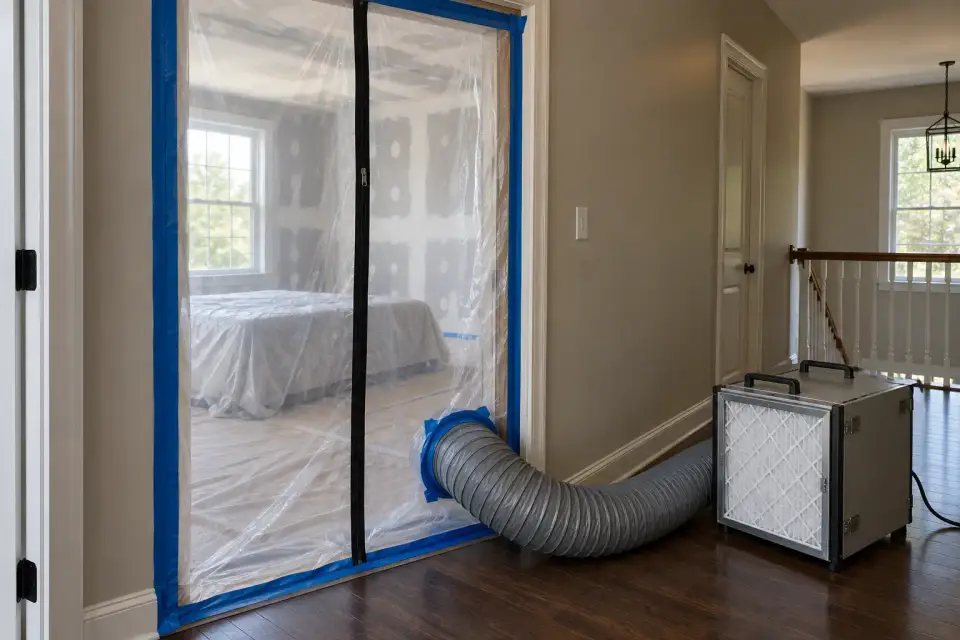
How big is it?
EPA guidance is that a homeowner can usually clean an area under about 10 square feet. That is roughly a 3 by 3 foot patch. Bigger than that, the job needs containment and filtered air so that disturbing the growth does not spread it through the house.
Texas sets its own line. Under state law, mold remediation of 25 contiguous square feet or more is licensed work, overseen by TDLR. Owners have some limited exemptions for work on their own home; anyone you hire for a job that size should hold a TDLR mold remediation license.
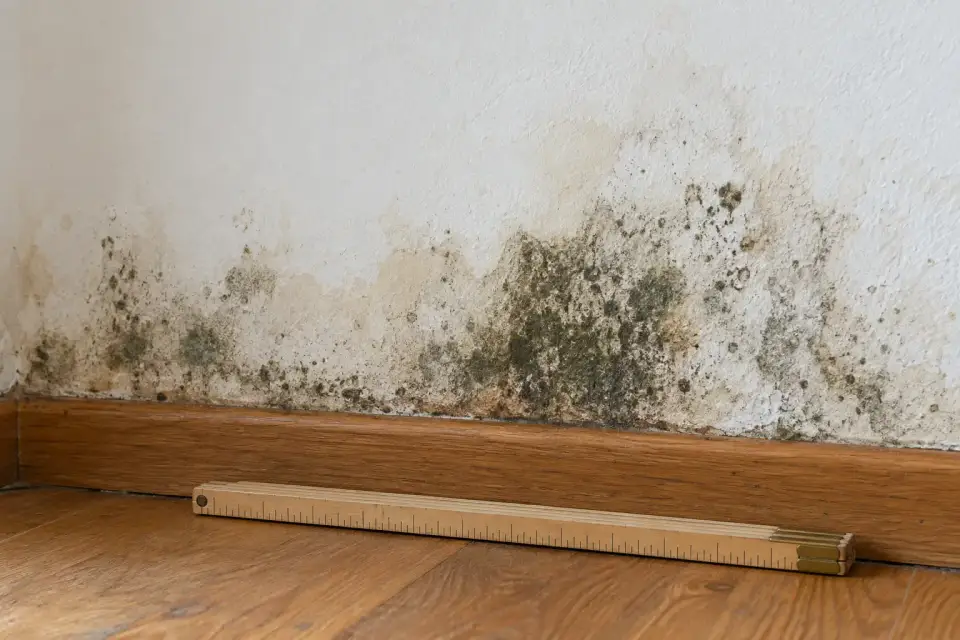
In Texas, the tester and the remover are different companies
TDLR licenses mold assessors and mold remediators separately, and its FAQ says a licensee may not do both the assessment and the remediation on the same project (school district staff are the only exception). An offer to test your home and then remove what the test finds, all from one company, is not allowed here.
You can look up any assessor or remediator on the TDLR license search before they come out.
Do you need a mold test?
Usually not. CDC’s guidance is plain: it does not recommend mold testing, there are no set standards for an acceptable amount of mold in a home, and visible mold should be removed and the moisture fixed whatever kind it is. Some owners still hire an assessor when growth is suspected but hidden, or to confirm a large job is finished; in Texas that assessor is a separately licensed company.
Humidity: the part that brings mold back
EPA recommends keeping indoor humidity below 60%, ideally between 30% and 50%. On the Gulf coast that usually means the air conditioning or a dehumidifier is doing that job most of the year. If mold returns after cleanup, look at the humidity and any slow leak before blaming the cleanup.
What insurance usually does with mold
Mold that follows a sudden covered water event is usually handled as part of that claim. Mold from a slow leak or from long-term humidity is usually excluded, and many policies cap what they will pay for mold at all. Read the mold section of your own policy before work starts.
Figures that matter for mold in Corpus Christi
77°F
Average July dew point
Summer air outside holds more water than the air in a dry room. Airing out a wet room here makes it wetter; dehumidifiers do the drying.
1981
Median year homes were built
Many homes of this age were plumbed in the years polybutylene supply pipe was common. It can split along its length, often inside a wall.
8
NFIP Community Rating System class
Flood policies inside the mapped zone get a 10% premium discount because of the city's floodplain work.
For homeowners. You will be connected with an independent local contractor. Calls may be recorded.
Mold questions
Can I clean up mold myself?
EPA says a homeowner can usually handle an area under about 10 square feet. Above that, containment and filtered air are needed, and in Texas remediation of 25 contiguous square feet or more is licensed work.
Can the same company test for mold and remove it in Texas?
No. TDLR does not allow a licensee to do both the assessment and the remediation on the same project.
Should I pay for a mold test?
Usually not. CDC does not recommend mold testing: visible mold should be removed and the moisture fixed whatever kind it is. Some owners hire a licensed assessor when growth is hidden or to confirm a large job is finished.
How do I check a mold contractor’s license in Texas?
Use the TDLR license search. Mold assessors and mold remediators each hold their own TDLR license.